Does a product accept this dog’s age and location?
If yes
Proceed to an accurate application
If no or unknown
Find an eligible product; do not assume online advertising is an offer

Use four separate yes-or-no gates to see whether a dog can enroll and whether a later bill can qualify.
Use these checkpoints to frame the literal question before reading the full guide.
Yes, dogs can get pet health insurance. Acceptance of an application is different from approval of a later claim: age rules, health history, the start date and the event’s eligibility each have their own test.
The sections below show how to verify the answer and what can change it.
| Question | If yes | If no or unknown |
|---|---|---|
| Does a product accept this dog’s age and location? | Proceed to an accurate application | Find an eligible product; do not assume online advertising is an offer |
| Can the full medical history be supplied? | Keep records from every practice | Identify missing shelter, adoption or prior-clinic records |
| Has the relevant coverage and waiting period begun? | Assess the event against policy terms | Do not assume an enrollment receipt activates every benefit |
| Is this expense covered and not excluded? | Apply the deductible, percentage and remaining limit | Request the specific reason; a diagnosis alone does not settle payment |
A concrete current example supports the age branch: Pets Best’s coverage overview says there is no upper enrollment-age limit. That statement does not clear an existing illness or make the product available to every applicant.
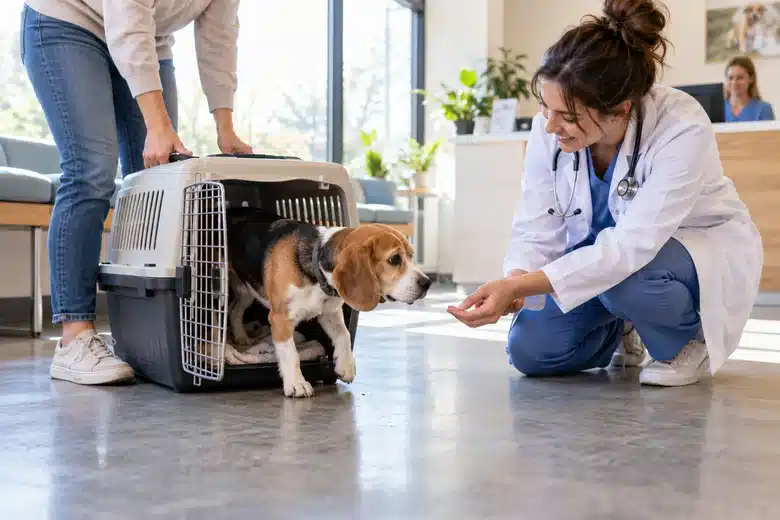
Consider a rescued dog whose adoption file mentions recurring ear irritation. An owner should carry that note into the history review even if the ears look comfortable today. Separately, a dog without earlier notes may develop a new problem after coverage starts. These two invented situations should not be given the same assumed claim answer merely because both applications were accepted.
Keep policy terms, deductible, reimbursement and limits beside the quote so the comparison stays consistent.
If a dog is already unwell, seek veterinary advice rather than delaying care to buy a policy. A future insurance start cannot change when signs first appeared. Keep the decision about urgent care separate from the decision about how future risks will be financed.
The existence of dog health-insurance options is verified. It does not establish an individual application decision, a personal premium or payment for a named condition. Those are later branches, not reasons to answer the basic eligibility question with an unsupported blanket no.
Some products accept older dogs; Pets Best publicly states no upper enrollment-age limit. Read the particular product’s other eligibility requirements.
No. Review the condition history and the applicable exclusion separately from enrollment.
Keep the policy terms beside the price, then continue to rates when the comparison is clear.